
See an Overview of this Rating System and Algorithm Here
Top 10
#1 Kallistos Ware’s The Orthodox Way
3.95

The most ancient name for Christianity, Metropolitan Kallistos reminds us, is ‘the Way’ (cf. Acts 19.23;24.22), and it is precisely as the journey that this word implies that he presents the tradition of Orthodox Christianity, its teachings and its practices. The result is not an abstract presentation of ‘Orthodoxy,’ an outside look at, or description of, its dogmatics, rituals, and ascetic disciplines, compared to and contrasted with others, but an invitation to enter into the way, to begin the journey—and to do so always, into eternity—into the mystery of God through the living experience of the Orthodox Church…
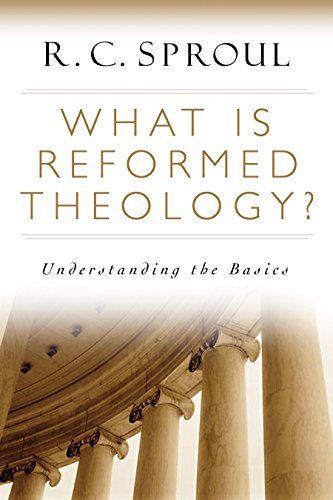
#2 R.C. Sproul’s What is Reformed Theology?
3.93
Many have heard of Reformed theology, but may not be certain what it is. Some references to it have been positive, some negative. It appears to be important, and they’d like to know more about it. But they want a full, understandable explanation, not a simplistic one. What Is Reformed Theology? is an accessible introduction to beliefs that have been immensely influential in the evangelical church. In this insightful book, R. C. Sproul walks readers through the foundations of the Reformed doctrine and explains how the Reformed belief is centered on God, based on God’s Word, and committed to faith in Jesus Christ…
#3 Wayne Grudem’s Bible Doctrine
3.91

How do we know the Bible is God’s Word? What is sin and where did it come from? How is Jesus fully God and fully man? What are spiritual gifts? When and how will Christ return? If you’ve asked questions like these, then systematic theology is no abstract term. It’s an approach to finding answers every Christian needs to know. The second edition of Bible Doctrine takes a widely used upper-level textbook on systematic theology and makes it accessible. Abridged from the second edition of Wayne Grudem’s award-winning Systematic Theology, Bible Doctrine covers the same essentials of the faith, giving you a firm grasp on seven key topics:…
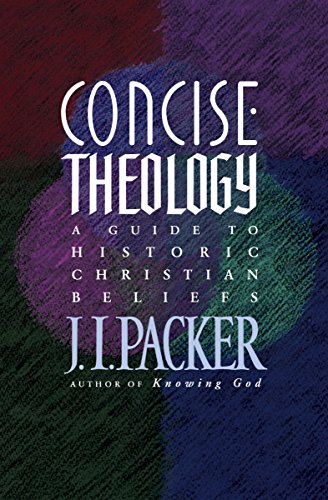
#4 J.I. Packer’s Concise Theology
3.82
Theology matters! At last it can be understood easily, thanks to this “layman’s language” approach to biblical belief. Authored by J. I. Packer, one of the premier theologians of Christianity, this summary of Christian teaching covers nearly 100 major Christian beliefs from a Reformed perspective. Brief, easy-to-understand chapters offer precise descriptions without sacrificing depth. Thoughtfully arranged and refreshingly readable, this is a book that belongs on the shelf of every Christian.
#5 Kevin DeYoung’s The Good News We Almost Forgot
2.94

If there is “nothing new under the sun,” perhaps the main task now facing the Western church is not to reinvent or be relevant, but to remember. The truth of the gospel is still contained within vintage faith statements. Within creeds and catechisms we can have our faith strengthened, our knowledge broadened, and our love for Jesus deepened. In The Good News We Almost Forgot, Kevin DeYoung explores the Heidelberg Catechism and writes 52 brief chapters on what it has shown him…
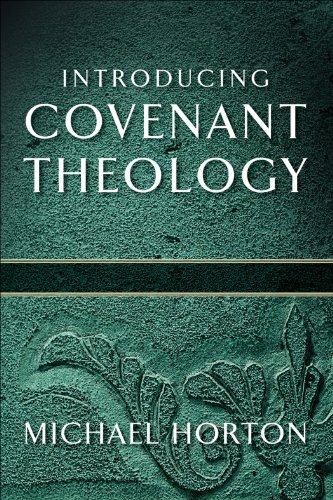
#6 Michael Horton’s Introducing Covenant Theology
2.53
Since biblical times, history is replete with promises made and promises broken. Pastors and teachers know the power of the covenant, and they know that understanding the concept of covenant is crucial to understanding Scripture. They also know that covenant theology provides the foundation for core Christian beliefs and that covenants in their historical context hold significance even today. But to laypeople and new Christians, the eternal implications of “cutting” a covenant with God can be complicating…
#7 Peter Kreeft’s A Summa of the Summa
2.5

Saint Thomas Aquinas is universally recognized as one of the greatest philosophers who ever lived. His writings combine the two fundamental ideals of philosophical writing: clarity and profundity. He is a master of metaphysics and technical terminology, yet so full of both theoretical and practical wisdom. He is the master of common sense. His major work, the Summa Theologica, is timeless, but particularly important today because of his synthesis of faith and reason, revelation and philosophy, and the Biblical and the classical Greco-Roman heritages…
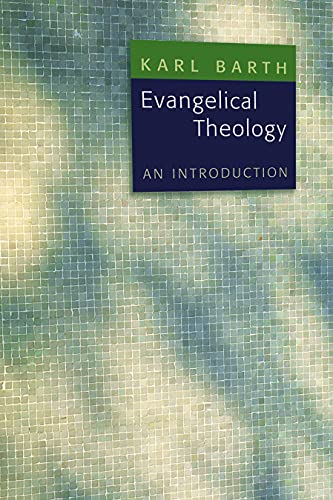
#8 Charles Barth’s Evangelical Theology
2.23
In this concise presentation of evangelical theology — the theology that first received expression in the New Testament writings and was later rediscovered by the Reformation–Barth discusses the place of theology, theological existence, the threat to theology, and theological work.
#9 Benjamin Meyers’ The Apostles’ Creed
1.80

The Apostles’ Creed has become so familiar to us that we don’t think about what we’re saying. Christians from different times, places, and traditions have been united by its eternal truths. We believe them, we recite them, but do we build our lives on them? The fact that so many in the early church died for their faith means they were caught up in something greater than themselves. What were those truths? How did they empower a revolution? How did early church pastors and theologians use the Apostles’ Creed as the essential guide to the basics of the Christian life?..
#10 Michael Horton’s Core Christianity
1.48
What beliefs are core to the Christian faith? This book is here to help you understand the reason for your hope as a Christian so that you can see it with fresh sight and invite others into the conversation. A lot of Christians take their story—the narratives that give rise to their beliefs—for granted. They pray, go to church, perhaps even read their Bible. But they might be stuck if a stranger asked them to explain what they believe and why they believe it. Author, pastor, and theologian Mike Horton unpacks the essential and basic beliefs that all Christians share in a way that is easy to understand and applicable to our lives today. And in a way that will make you excited to be a Christian!

Top 30
[Remaining Links forthcoming]
 Stumblingstone Press